The Truth Behind India’s Mega Projects: Progress, Hype, and the Gaps We Must Not Ignore
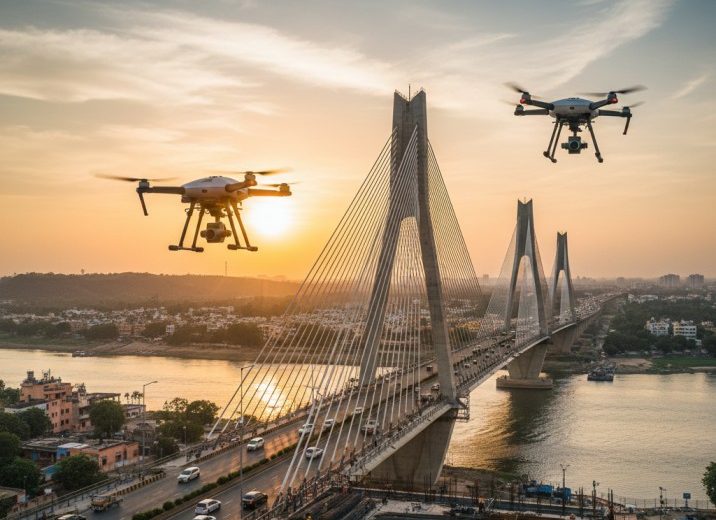
Big infrastructure makes for great videos. Drones flying over concrete pillars, grand timelapses of metro tunnels, glossy 3D renders of airports. And then the narration kicks in: “India is changing like never before!”
But when you peel away the soundtrack and look at hard numbers, the story becomes a lot more complex. Progress is real, but so are the delays, debt loads, overruns and missed promises. A mature democracy owes itself a factual check, not cheerleading.
This post walks through the major claims currently being pushed around—Bullet Train, DFC, expressways, smart cities, airports—and puts them under the microscope.
Bullet Train: A Budget Growing Faster than the Train
The famous ₹1.08 lakh crore figure is old history. Official estimates now place the Mumbai–Ahmedabad High Speed Rail project at over ₹2.4 lakh crore, and rising. Land acquisition delays, shifting timelines, and cost escalations mean the “expected progress” is nowhere near the original promise of a 2023 start.
Japan’s soft loan is helpful, but India will be repaying for decades. And Gujarat–Maharashtra coordination is still not smooth. Progress exists, but the narrative of “ahead of expectations” is wishful thinking.
Dedicated Freight Corridors: Good Project, Overstated Claims
DFCs are genuinely transformative. But claims that they will triple India’s freight capacity by 2028 ignore basic economics. Freight volume depends on:
- manufacturing growth
- port efficiency
- last-mile connectivity
- logistics reforms
- private sector demand
A corridor alone cannot multiply freight by three. It is a backbone improvement, not a magic wand.
Expressways: Fast Concrete, Slow Governance
India is building expressways at record pace. But the financials are shaky. NHAI’s debt has already crossed ₹3.4 lakh crore, and CAG reports have flagged serious concerns: tendering issues, inflated costs, safety lapses.
We have seen too many newly built bridges collapsing, too many roads crumbling within monsoon cycles. Building fast is impressive. Building durable is development.
Navi Mumbai Airport: A Relief Airport, Not a Global Hub
Aviation hubs are not built by concrete alone. They need:
- strong airline networks
- competitive ATF pricing
- robust international connectivity
- strong local economy
Navi Mumbai will reduce pressure on Mumbai, but calling it a “global aviation hub” is premature. Even today, India’s aviation policies restrict growth more than infrastructure does.
Metro Expansion: Growth Without Planning
Metros are popping up everywhere—from Lucknow to Nagpur to Srinagar. But the financial and ridership reality is uncomfortable. Many metros are running continuous operational losses. Ridership projections were inflated. Without integrated bus systems, walkways, and urban zoning reforms, metros become shiny but under-used assets.
Urban transport cannot be solved by simply laying rails.
Smart Cities Mission: More Smart Lighting than Smart Governance
Over 100 cities were selected. But fewer than one-fourth have completed what they promised. And many of those “completed projects” are cosmetic—LED streetlights, WiFi poles, junction beautification.
True smartness means drainage, clean water, zoning, pollution control, integrated mobility, waste management. Those remain largely unchanged on the ground.
Rebuilding Surat, Jammu, Mumbai, Delhi, Varanasi?
The phrase “entire cities being rebuilt” is a marketing exaggeration. What’s happening is isolated redevelopment clusters, not entire urban renewal. Meanwhile, India still releases 40 percent of sewage untreated into rivers. Public health infrastructure, footpaths, drains, local roads—these rarely make it into the video reels.
A “National Strategy for 2030”? Not Until Planning Improves
A strategy is not a list of projects. It requires:
- transparent governance
- independent audits
- real public consultation
- environmental sensitivity
- sustainable debt management
- integration between centre, state and local bodies
India’s infrastructure push is energetic, but still fragmented and financially stretched. PR is racing ahead of execution.
Progress is Real, But Overselling Helps No One
India is building. And that’s good. But development becomes stronger only when citizens demand honesty, transparency, and accountability.
Glossy reels may impress, but they hide the challenges that actually determine success.
A confident nation doesn’t fear questions. It embraces them—because only truth builds a foundation that lasts longer than any expressway.
